FREE SHIPPING ON ORDERS OVER ₹599 · HANDMADE FRESH IN KERALA

Best Natural Moisturizer for Dry Skin in India: Why Coconut Oil Works Better Than ChemicalsYour blog post
Looking for the best natural moisturizer for dry skin in India? Discover why cold-pressed coconut oil from Kerala outperforms chemical creams -- and how Wellniz makes it simple, pure, and affordable.
4/3/20269 min read
Best Natural Moisturizer for Dry Skin in India: Why Coconut Oil Works Better Than Chemicals
The Problem With Most Moisturizers Sold in India
Walk into any pharmacy or supermarket in India and the moisturizer shelves are full of promises. Ceramides. Hyaluronic acid. Retinol complexes. SPF 30. The ingredients list reads like a chemistry exam. And yet, millions of Indians still deal with dry, flaky, irritated skin every day.
The problem is not that these products do not work anywhere. The problem is they are almost always formulated for temperate climates, for skin types common in Europe or North America. Indian skin is not like that. It faces intense UV exposure, humidity in the south, dry cold in the north, hard tap water, dust pollution, and diets that differ substantially from those of the populations these products were originally made for.
The result? Moisturizers that sit on the surface without penetrating. Formulas that clog pores in Mumbai's humidity but offer zero protection in Delhi's dry winters. Products that trigger reactions in sensitive skin while delivering nothing useful in return.
The more effective answer has been growing in Kerala's coastal farms for centuries..
Why Cold-Pressed Coconut Oil Is India's Most Effective Moisturizer
Coconut oil has been used in Indian skincare for over 3,000 years. It is not a trend. It is a tradition that survived because it works. And the reason it works comes down to molecular science.
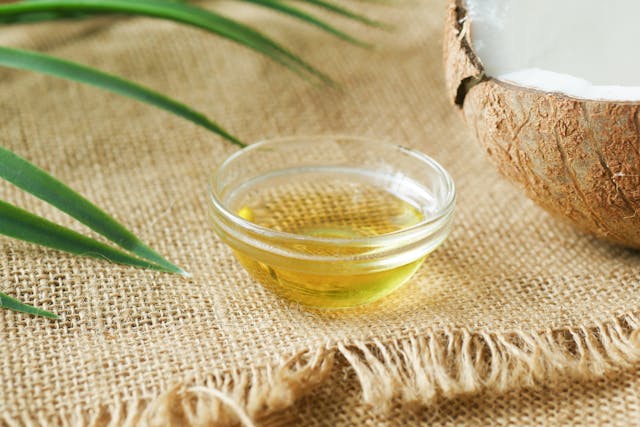
Cold-pressed coconut oil is rich in lauric acid, a medium-chain fatty acid that can actually penetrate the outer layers of skin rather than just coating them. This is the key difference between coconut oil and most chemical moisturizers. A chemical cream forms a barrier on top of the skin. Coconut oil goes in.
This penetration ability means it does not evaporate with the first bit of heat or sweat. It nourishes the skin from within, maintaining moisture balance even in India's extreme conditions.
Rich in lauric acid -- deeply penetrates the skin barrier rather than just coating it
Natural antimicrobial properties protect against bacteria and fungal irritation
Contains vitamin E and antioxidants that reduce inflammation and skin damage
Non-comedogenic when cold-pressed -- will not block pores the way heavy synthetic creams do
Works in all Indian climates from Kerala's humidity to Rajasthan's dry heat
No parabens, no sulphates, no synthetic preservatives -- nothing that irritates sensitive skin
The critical word is cold-pressed. When coconut oil is extracted using heat, as in commercial processing, many of its beneficial compounds are destroyed. Cold-pressed oil retains its full fatty acid profile, its antioxidants, and its natural antibacterial properties. This is what Wellniz sources directly from small family farms in Kerala
Chemical Moisturizers vs. Natural Coconut Oil: What the Labels Hide
Most commercial moisturizers contain between 30 and 60 distinct ingredients. Many of these serve no skincare purpose at all -- they are emulsifiers, preservatives, fragrance compounds, stabilisers, and texture agents designed to give the product a particular feel or a longer shelf life in a warehouse.
Common ingredients to watch for on Indian skincare labels:
Parabens (methylparaben, propylparaben) -- used as preservatives, linked to hormonal disruption
Mineral oil -- a petroleum byproduct that coats skin without nourishing it
Sodium lauryl sulphate (SLS) -- a detergent that strips natural oils from the skin
Synthetic fragrance -- one of the most common triggers of contact dermatitis and skin allergies
DMDM hydantoin -- a formaldehyde-releasing preservative found in many budget Indian products
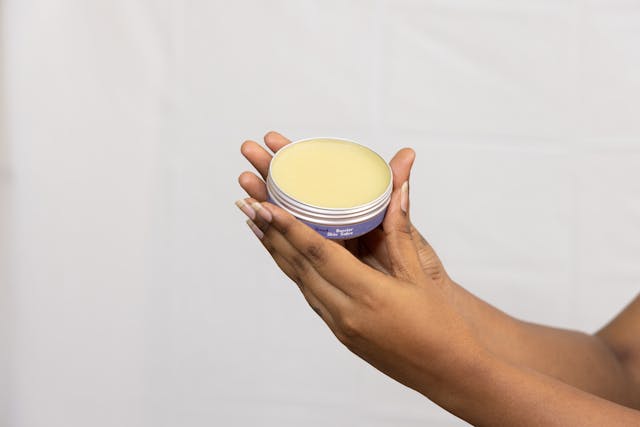
None of these are present in a minimal-ingredient coconut oil moisturizer. Wellniz products contain cold-pressed coconut oil, organic beeswax, and Indian essential oils. That is it. Three ingredients, each with a clear purpose.
How to Choose the Right Coconut Moisturizer for Your Skin
Not all coconut-based moisturizers are the same. Here is what to look for when choosing one for Indian skin conditions:
Extraction Method
Always choose cold-pressed over expeller-pressed or refined coconut oil. Only cold-pressed oil retains the full range of beneficial fatty acids and antioxidants. If the product does not specify, assume it is refined.
Number of Ingredients
A good natural moisturizer should have a short ingredient list. If you need a chemistry degree to read it, the product is over-formulated. Look for three to five clear, recognisable ingredients.
Essential Oil Scent
Natural fragrance from essential oils provides aromatherapy benefit alongside scent. Rose, Ylang Ylang, Tea Tree, and Eucalyptus each have distinct skin benefits. Choose based on your skin concern, not just the smell.
Texture for Your Climate
In high-humidity cities like Mumbai, Chennai, or Kochi, a lighter texture prevents that heavy or sticky feeling. In drier northern climates or during winter, a richer balm-type formula provides better long-term protection.
The Wellniz Coconut Moisturizer range addresses each of these with variants for different concerns -- Rose and Ylang Ylang for nourishment and balance, Tea Tree and Eucalyptus for oilier or acne-prone skin.
Kerala: Why the Source Matters
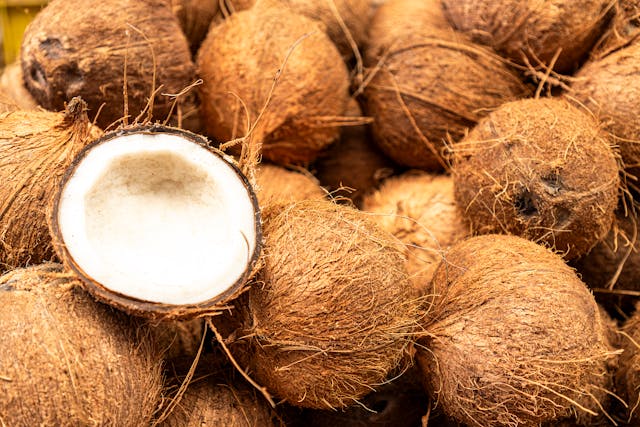
Kerala's coconuts are not the same as mass-produced coconuts from industrial farms. Kerala's unique combination of coastal climate, rich soil, and centuries of agricultural tradition produces coconuts with a higher oil content and a more balanced fatty acid profile. The small family farms Wellniz sources from use traditional extraction methods that preserve this quality.
This is the same tradition that gave India Ayurveda's most celebrated skincare formulations. Coconut oil as medicine is not new. What is new is packaging it thoughtfully and making it accessible across India at a price that makes sense -- Rs. 299 for a product that genuinely works.
Building a Simple Natural Skincare Routine for Dry Skin
You do not need twelve products. For dry skin in an Indian context, a three-step routine is often all you need:
Cleanse with a mild, sulphate-free face wash or raw besan (chickpea flour) mixed with turmeric
While skin is still slightly damp, apply a small amount of Wellniz Coconut Moisturizer and let it absorb
In the morning, follow with a natural SPF -- coconut oil alone does not provide UV protection
Consistency matters more than the number of products. A simple routine done daily produces better results than an expensive multi-step routine done occasionally








Get in touch
hello@wellniz.in

Our Promise
No artificial ingredients used in our products
Terms of Service