FREE SHIPPING ON ORDERS OVER ₹599 · HANDMADE FRESH IN KERALA

Chemical-Free Skincare Routine for Sensitive Skin: An Indian Guide
Building a chemical-free skincare routine for sensitive skin in India does not need to be complicated or expensive. This guide shows you exactly what to use, what to avoid, and how Wellniz makes the transition simple
4/7/20263 min read
Why Sensitive Skin in India Deserves a Different Conversation
Sensitive skin is not a skin type. It is a skin response. It means your skin's barrier is more reactive -- to heat, pollution, synthetic ingredients, hard water, hormonal changes, or any combination of these. In India, where all of these stressors are present in abundance, sensitive skin is far more common than most skincare brands acknowledge.
The frustrating part: most products marketed for sensitive skin in India still contain the very ingredients most likely to trigger reactions. Synthetic fragrance. Alcohol. Artificial preservatives like parabens. These are standard even in products sold as gentle or suitable for sensitive skin.
A truly chemical-free routine avoids all synthetic additives -- not just the obvious ones. This guide shows you how to build one
The Ingredients to Remove First
Before adding anything to your routine, remove what is causing reactions. These are the most common problematic ingredients in Indian skincare products:
Synthetic fragrance -- listed as 'parfum' or 'fragrance', this single entry can contain hundreds of undisclosed compounds and is a leading cause of contact dermatitis
Parabens (methylparaben, ethylparaben, propylparaben) -- common preservatives linked to skin irritation and hormonal disruption
Sulphates (SLS, SLES) -- harsh detergents in cleansers that strip the skin's natural protective oils
Mineral oil -- a petroleum byproduct that clogs pores and does not nourish the skin
Alcohol (denatured alcohol, SD alcohol) -- drying agents that compromise the skin barrier in sensitive individuals
Formaldehyde releasers (DMDM hydantoin, quaternium-15) -- preservatives that release formaldehyde slowly and irritate reactive skin
A Wellniz product contains none of these. The full ingredient list for every product is three items: cold-pressed coconut oil, organic beeswax, and an Indian essential oil. No exceptions.
What a Chemical-Free Routine Actually Looks Like
You do not need to overhaul everything overnight. The most sustainable approach is to replace products one by one as they finish, substituting each with a cleaner alternative.
Step 1: Cleanser
For sensitive skin, the best cleansers are those that clean without stripping. Options:
Raw besan (chickpea flour) with a pinch of turmeric and water -- the most traditional Indian face wash, completely free of synthetic additives
Oat flour and honey mixed with water -- soothing, anti-inflammatory, and gentle enough for reactive skin
A plain water rinse in the morning -- for skin that is not excessively oily, water is enough
Step 2: Toner
Pure rose water with no added alcohol or fragrance acts as a mild toner, balancing skin pH after cleansing and preparing the skin to absorb moisturizer. Look for single-ingredient rose water -- hydrosol of Rosa damascena -- with nothing else on the label.
Step 3: Moisturizer
This is where most sensitive skin routines fail. Commercial moisturizers contain emulsifiers, stabilisers, and preservatives that keep the product shelf-stable for years. Your skin does not need any of that.
A Wellniz Coconut Moisturizer provides everything a moisturizer should: nourishment, moisture retention, and skin barrier reinforcement. Choose based on your concern:
Coconut Rose -- for dry, dull, or dehydrated sensitive skin needing deep nourishment
Coconut Ylang Ylang -- for combination sensitive skin with uneven oil distribution
Coconut Tea Tree -- for sensitive skin that is also prone to breakouts or oiliness
Coconut Eucalyptus -- for sensitive skin with congestion, dullness, or a need for refreshment
Step 4: Sun Protection
This is the only step where a commercially formulated product is hard to avoid, because effective SPF requires specific chemical compounds. Look for physical-only sunscreens containing zinc oxide or titanium dioxide -- these sit on the skin's surface rather than absorbing into it, making them less likely to trigger reactions in sensitive skin. Avoid sunscreens with oxybenzone or chemical UV filters.
Indian Ingredients That Belong in a Sensitive Skin Routine
India's skincare tradition is rich with ingredients that are genuinely gentle on reactive skin:
Kumkumadi oil -- a traditional Ayurvedic blend based on saffron, known for its brightening and anti-inflammatory properties
Aloe vera gel -- directly from the plant where possible, providing cooling and immediate relief for inflamed or reactive skin
Sandalwood paste -- traditionally used in South India to calm skin inflammation and reduce redness
Neem oil (diluted) -- a powerful antimicrobial for sensitive skin prone to breakouts, but must be diluted as it is potent
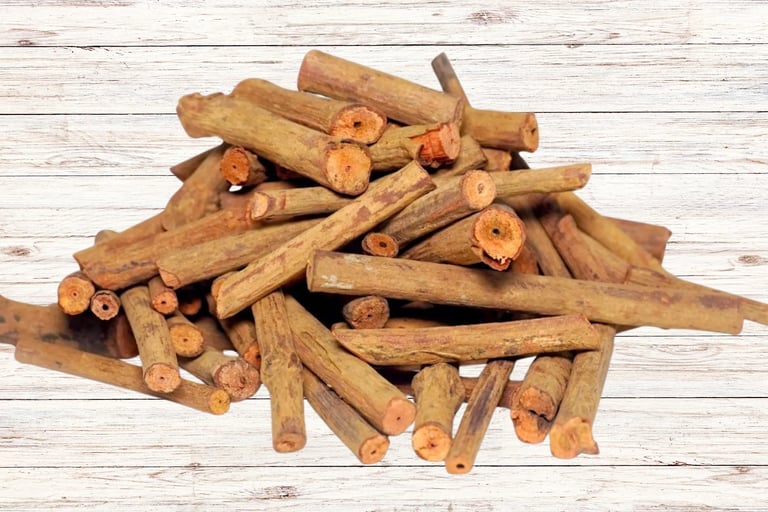
Manjistha (Indian madder) -- an Ayurvedic herb with deep anti-inflammatory and skin-clearing properties


Get in touch
hello@wellniz.in

Our Promise
No artificial ingredients used in our products
Terms of Service