FREE SHIPPING ON ORDERS OVER ₹599 · HANDMADE FRESH IN KERALA

Eucalyptus Oil Benefits for Skin: From Acne Control to Mental Clarity
Eucalyptus essential oil is more than a respiratory remedy -- its antiseptic, anti-inflammatory, and astringent properties make it a powerful skincare ingredient. Here is everything it does for your skin, and how Wellniz Coconut Eucalyptus Moisturiser delivers it.
4/23/20265 min read
What does eucalyptus oil do for skin?
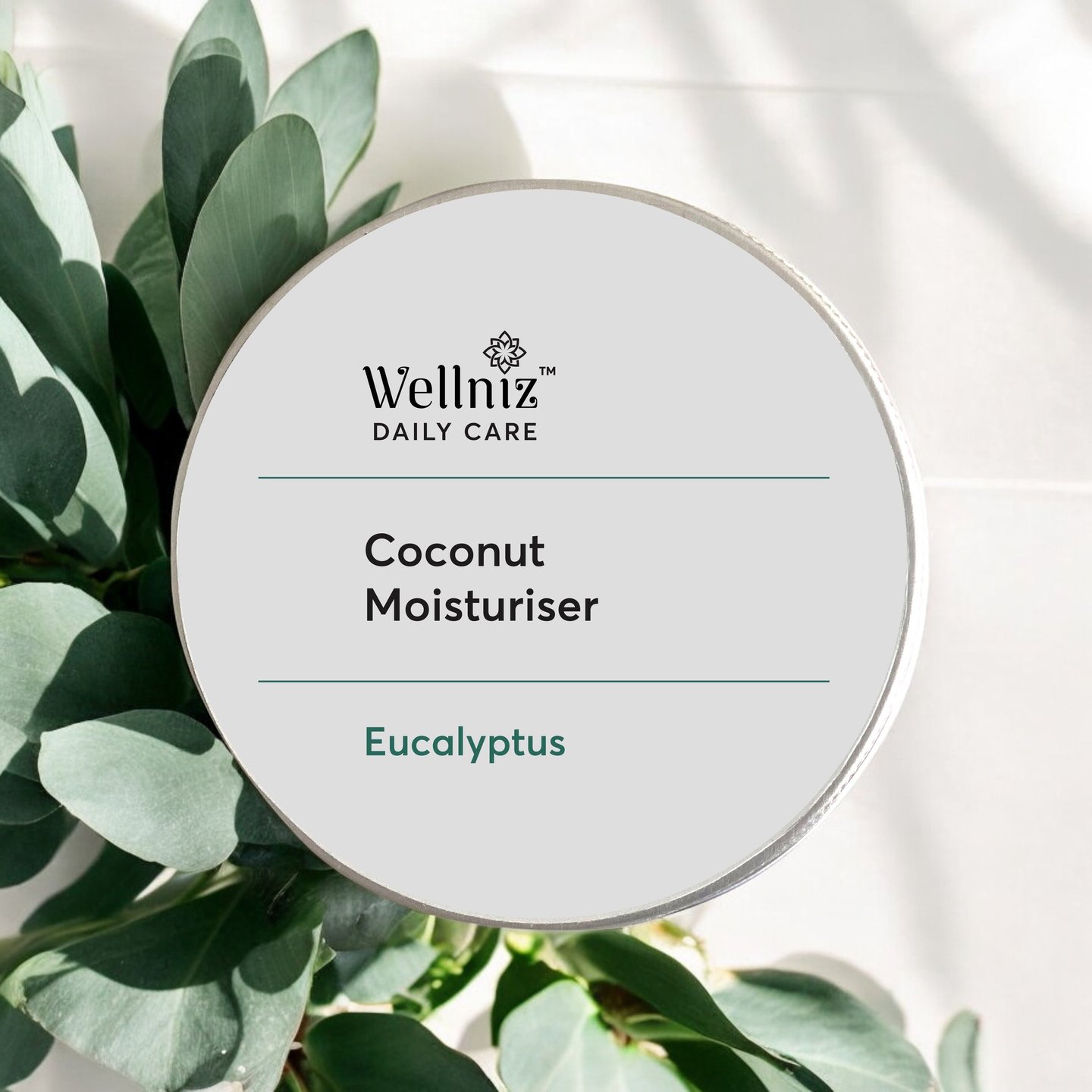
Eucalyptus oil benefits for skin include: antiseptic protection against bacteria and fungi, reduction of acne-causing bacteria, anti-inflammatory relief for irritated or reactive skin, natural astringent action that tightens pores and controls oil, cooling and refreshing sensation particularly suited to hot climates, and antioxidant protection through flavonoids and tannins. Wellniz Coconut Eucalyptus Moisturiser combines these benefits with cold-pressed coconut oil and beeswax in a daily moisturizer suitable for all skin types.
Eucalyptus Oil Benefits for Skin: From Acne Control to Mental Clarity
Eucalyptus and Skin: The Connection Most People Miss
Walk through any Indian pharmacy and you will find eucalyptus in chest rubs, inhalers, cough drops, and balms for muscle aches. What you are less likely to find is eucalyptus marketed as a skincare ingredient -- despite the fact that the same active compounds responsible for its respiratory benefits have well-documented effects on skin health.
The key compound in eucalyptus essential oil is 1,8-cineole (also called eucalyptol), which makes up 70-90% of the oil. 1,8-cineole has established antiseptic, anti-inflammatory, and analgesic properties. When applied topically in a properly diluted form, it works on skin in multiple ways simultaneously -- a quality that makes eucalyptus more versatile as a skincare ingredient than most essential oils.
Eucalyptus also contains terpineol, flavonoids, and tannins, which contribute antioxidant and astringent properties respectively. The combination is genuinely sophisticated for a plant-derived ingredient.
Benefit 1: Antiseptic and Antimicrobial Action
1,8-cineole has demonstrated broad-spectrum antimicrobial properties, effective against both gram-positive and gram-negative bacteria as well as various fungi. Applied to skin, this translates to protection against the bacterial and fungal overgrowth that drives acne, body odour, fungal skin conditions, and minor skin infections.
For body acne specifically -- a condition driven largely by bacteria thriving in warm, sweaty skin -- eucalyptus oil's antiseptic action is particularly relevant for Indian summers. Body areas that stay warm and moist are ideal environments for bacterial proliferation; eucalyptus creates a hostile environment for that process.
Benefit 2: Anti-Inflammatory Relief
1,8-cineole inhibits multiple inflammatory pathways simultaneously. For skin, this means visible reduction in redness, swelling, and irritation. This makes eucalyptus useful not just for acne, where inflammation is the final stage of the breakout process, but for heat rash, insect bites, minor burns, sunburn, and any skin condition where localised inflammation is the primary complaint.
In India's summer, heat rash (prickly heat or miliaria) is almost universal in humid regions. Eucalyptus applied to affected areas reduces the inflammatory response and the associated itching more effectively than many over-the-counter treatments.
Benefit 3: Natural Astringent -- Pore Control Without Harsh Chemicals
The tannins in eucalyptus oil act as a natural astringent -- they temporarily tighten the skin and reduce the visible size of pores. This effect is milder and shorter-lived than chemical astringents like witch hazel or alcohol-based toners, but it comes without the drying side effects that make chemical astringents problematic for daily use.
For oily skin types that struggle with visible pores and excess shine, eucalyptus offers a gentle way to manage this without stripping the skin barrier the way harsh astringents do.
Benefit 4: Cooling Sensation and Sensory Benefit
The cooling effect of eucalyptus is not imaginary -- it is a physical response to 1,8-cineole activating TRPM8, the same cold-sensing receptor that menthol activates. Applied to warm skin, eucalyptus produces a measurable cooling sensation that is genuinely useful in Indian summers.
This is also where the mental clarity benefit comes in. The aromatic cooling sensation of eucalyptus has been shown in research to temporarily improve alertness and cognitive performance through olfactory stimulation. A morning skincare routine that includes eucalyptus is not just skin-deep -- the sensory experience has measurable effects on mental state.
Benefit 5: Antioxidant Skin Protection
Eucalyptus contains flavonoids and polyphenols that neutralise free radicals on the skin's surface. In the context of Indian skin, which faces some of the world's highest UV exposure and significant air pollution in urban areas, this antioxidant protection is a meaningful daily contribution to long-term skin health.
Antioxidants do not replace SPF. But as a component of a daily moisturizer applied before SPF, eucalyptus provides a layer of molecular protection that reduces the oxidative damage that accumulates over years into visible skin ageing.
Benefit 6: Wound Healing Support
Traditional use of eucalyptus as a wound treatment has some scientific backing. The antiseptic properties protect healing wounds from infection, and certain eucalyptus compounds have shown evidence of accelerating the re-epithelialisation process -- the growth of new skin over a healing wound.
For everyday skin concerns like minor cuts, insect bites, or skin reactions, eucalyptus in a moisturizer base provides gentle antimicrobial protection during healing.
Eucalyptus and Coconut Oil for Skin: The Combination
In Wellniz Coconut Eucalyptus Moisturiser, eucalyptus essential oil is combined with cold-pressed coconut oil and beeswax. Each ingredient plays a distinct role:
Cold-pressed coconut oil -- provides deep nourishment through lauric acid penetration
Beeswax -- creates a breathable protective barrier that locks in moisture
Eucalyptus essential oil -- adds antiseptic, anti-inflammatory, and astringent properties, plus the cooling sensory effect
For acne-prone skin, the same note applies here as with the Tea Tree moisturiser: some individuals with highly acne-prone skin may be sensitive to the coconut oil base. Patch testing before full use is recommended. The eucalyptus component itself is not a comedogenic concern.
How to Use Wellniz Coconut Eucalyptus Moisturiser
Apply to clean, slightly damp skin after showering or cleansing
Use a small amount -- a pea-sized quantity covers a significant area
Allow 10 minutes to absorb fully before dressing or applying other products
Ideal for morning use when the cooling and alerting effect is most beneficial
Suitable for body, chest, back, and facial use
In summer: apply to arms, neck, and shoulders before going outdoors for antiseptic and antioxidant protection
Frequently Asked Questions
Is eucalyptus oil safe to apply directly to skin?
No. Undiluted eucalyptus essential oil is too concentrated for direct skin application and can cause burns and severe irritation. It must always be diluted in a carrier oil or used in a properly formulated product like Wellniz Coconut Eucalyptus Moisturiser, where it is present at a safe, effective concentration.
Can I use eucalyptus moisturiser for body acne?
Yes. Eucalyptus oil's antiseptic and anti-inflammatory properties are effective against body acne. Applied to the back, shoulders, or chest after showering, it reduces the bacterial load on skin and calms existing inflammation.
Is eucalyptus oil good for oily skin?
Yes. Eucalyptus is one of the better essential oils for oily skin types because its natural astringent action helps manage excess sebum and visible pores without stripping the skin. Combined with cold-pressed coconut oil in a controlled amount, it provides nourishment without adding to oiliness.
Does eucalyptus oil help with body odour?
Yes. The antimicrobial properties of eucalyptus oil reduce the bacterial populations on skin that are responsible for body odour. It is not a substitute for deodorant, but regular use of an eucalyptus-containing moisturizer on the body contributes to odour control.
Can I use eucalyptus moisturiser on sensitive skin?
Most sensitive skin types tolerate eucalyptus well at properly diluted concentrations. Its anti-inflammatory properties can actually benefit reactive skin. However, patch testing is always recommended before broader use on sensitive skin.
What is the difference between eucalyptus and tea tree for skin?
Both are antimicrobial and anti-inflammatory. Tea tree is primarily antibacterial and clinically focused on acne. Eucalyptus has broader antimicrobial action including antifungal properties, a more pronounced cooling effect, and astringent benefits for pore control. Tea tree is the stronger first choice for acne-focused routines; eucalyptus is better for overall skin health and oiliness management.
Is eucalyptus oil safe to use during pregnancy?
Eucalyptus oil is generally considered one of the essential oils to avoid during pregnancy, particularly in the first trimester, due to its 1,8-cineole content. Pregnant women should consult their doctor before using any essential oil-containing skincare product.
Can I use eucalyptus moisturiser in summer?
Yes -- in fact, summer is when eucalyptus is most beneficial. The cooling effect is especially pleasant in heat, the antiseptic properties manage the higher bacterial load that comes with sweating, and the astringent action helps control the excess oiliness many people experience in hot weather.
Does eucalyptus oil help with dark spots?
Eucalyptus has mild brightening properties through its antioxidant flavonoid content, which can gradually contribute to a more even skin tone. It is not a primary treatment for hyperpigmentation -- neem is stronger for post-inflammatory dark spots -- but regular use contributes to overall skin tone improvement over time.
Get in touch
hello@wellniz.in

Our Promise
No artificial ingredients used in our products
Terms of Service