FREE SHIPPING ON ORDERS OVER ₹599 · HANDMADE FRESH IN KERALA

The Gut-Skin Connection: How What You Eat Shows Up on Your Skin
Your gut microbiome and your skin microbiome are in constant communication. What you eat affects both. This guide explains the gut-skin axis with actual science, the specific Indian dietary factors that drive skin problems, and how topical care fits the bigger picture.
6/8/20266 min read
Why does my diet affect my skin?
Diet affects skin through the gut-skin axis: a bidirectional communication pathway between the gut microbiome and skin microbiome via the bloodstream, immune system, and nervous system. High-glycaemic foods spike insulin and IGF-1, directly stimulating sebaceous glands to produce more sebum — a primary driver of acne. Dairy raises IGF-1 similarly. Processed foods and low-fibre diets reduce microbiome diversity, increasing systemic inflammation that manifests as skin conditions. Conversely, probiotics (curd, fermented foods), omega-3 fatty acids, antioxidant-rich spices (turmeric, curcumin), and adequate fibre support a healthy microbiome that reduces systemic inflammation and supports skin barrier function.
Why Skincare Alone Is Not Enough
The standard skincare conversation focuses almost entirely on what goes on your skin from outside. Products, ingredients, routines, application order. This is important, but it is not the complete picture.
Skin is not just an external organ. It is the visible expression of internal biology. Its condition reflects the state of your immune system, your hormonal balance, your inflammatory load, and the health of your gut microbiome. A person with excellent external skincare habits but chronic systemic inflammation from diet will continue to have skin problems that topicals cannot fully address.
The gut-skin axis — the scientific term for the communication pathway between the gastrointestinal system and the skin — is one of the most significant developments in dermatology in the past decade. It is not alternative medicine. It is peer-reviewed immunology with practical implications for anyone dealing with acne, eczema, rosacea, psoriasis, or persistent dull, reactive skin.
How the Gut-Skin Axis Works
The gut microbiome — the 100 trillion microorganisms living in your digestive system — is the body's most significant regulator of immune function. Approximately 70% of the immune system is located in or around the gut. When the gut microbiome is diverse and balanced (eubiosis), immune responses are appropriately calibrated. When it is disrupted (dysbiosis), immune function becomes dysregulated — producing inflammatory responses to stimuli that a healthy microbiome would handle quietly.
This systemic inflammation has direct skin consequences. The skin is highly vascularised — rich in blood vessels. Inflammatory cytokines circulating from a dysbiotic gut reach the skin through the bloodstream and trigger:
Increased sebum production (contributing to acne)
Disruption of the skin's microbiome — the bacteria living on skin surface — increasing pathogenic bacterial colonisation
Weakening of the skin barrier lipid layer, increasing trans-epidermal water loss and sensitivity
Exacerbation of immune-mediated skin conditions: eczema, psoriasis, rosacea, urticaria
The reverse pathway is also active: skin microbiome signals travel to the gut and influence immune regulation there. The relationship is genuinely bidirectional.
Specific Indian Dietary Factors and Their Skin Effects
High-Glycaemic Diet: The Acne Driver
India's staple foods — white rice, maida-based breads, mithai, sugary beverages — have high glycaemic indices. High-GI foods spike blood glucose, which triggers an insulin surge, which in turn raises IGF-1 (insulin-like growth factor 1). IGF-1 directly stimulates sebaceous glands to produce more sebum and promotes keratinocyte proliferation that blocks follicles. This is the primary dietary mechanism linking sugar and refined carbohydrates to acne.
Switching from white rice to brown rice, reducing maida-based foods, and cutting sugary beverages produces measurable reduction in acne severity within 4-8 weeks for many people — without changing any skincare product. Combined with Wellniz Neem Mist and Tea Tree Moisturiser's antibacterial action, the dietary reduction plus topical care addresses acne from two independent pathways simultaneously.
Dairy: The Contested but Real Signal
Research on dairy and acne is more contested than the high-GI data, but the direction of evidence is consistent: multiple large studies show associations between dairy consumption (particularly skimmed milk) and acne severity, potentially through IGF-1 content and the hormonal profile of milk from pregnant cows. For Indian skin with its higher acne prevalence, reducing dairy during breakout periods is worth trialling — particularly the type of dairy. Traditional fermented dairy (dahi, chaas, lassi) has probiotic benefits that partially offset this effect; commercial pasteurised milk and paneer do not.
Omega-3 Deficiency: The Inflammation Sustainer
Omega-3 fatty acids (EPA and DHA) are the building blocks of anti-inflammatory prostaglandins. The Indian diet is typically low in omega-3 and high in omega-6 (from refined vegetable oils), creating an inflammatory balance that sustains skin conditions. Sources of omega-3 suitable for Indian diets include flaxseeds (alsi), walnuts, fatty fish (mackerel, sardines), and chia seeds. A daily tablespoon of ground flaxseed in dal or yoghurt is one of the simplest dietary skin health interventions available.
Fermented Foods: The Microbiome Supporters
Traditional Indian fermented foods — dahi, kanji, idli and dosa batter (fermented overnight), achaar (lacto-fermented pickles) — deliver live probiotic bacteria that support gut microbiome diversity. A more diverse microbiome reduces systemic inflammatory signalling, directly benefiting skin condition. The industrialisation of Indian food production has reduced these fermented foods in many urban diets; reintroducing even daily home-made dahi is a measurable microbiome intervention.
Spices: India's Topical-Equivalent Internal Medicine
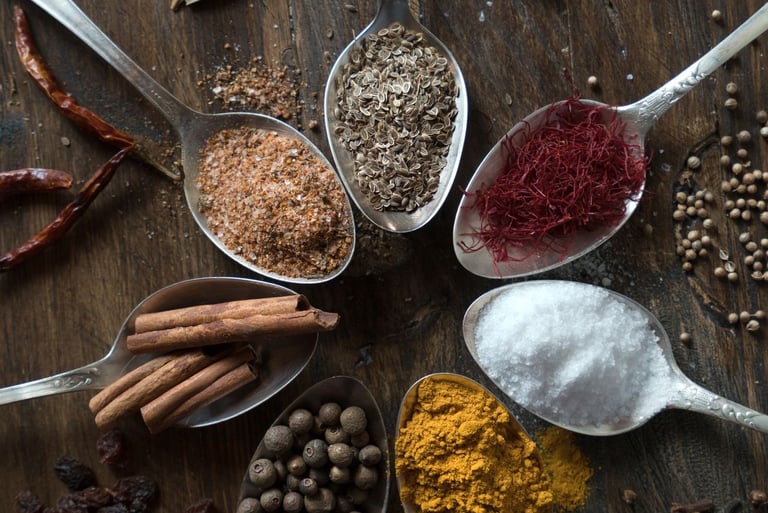
India's spice tradition carries enormous anti-inflammatory benefit for the gut-skin axis. Turmeric's curcumin inhibits NF-kB systemically — the same pathway it inhibits when applied topically to skin. Black pepper's piperine increases curcumin bioavailability by 2,000%. Ginger's gingerols reduce inflammatory cytokine production. Ajwain (carom seeds) supports gut motility and microbiome health. These are not supplements — they are the ordinary ingredients in Indian cooking when used generously and consistently.
What This Means for Skincare
The gut-skin connection does not diminish the importance of topical skincare. It contextualises it. Wellniz products address the external environment of the skin — providing nourishment, barrier protection, antimicrobial action, and targeted ingredient benefits. What diet addresses is the internal environment that determines how reactive, inflammatory, and resilient your skin is in the first place.
The combination is the most effective approach: internal gut health (diet, fermented foods, omega-3, low-GI) reduces systemic inflammatory load; external natural skincare (minimal ingredients, no synthetic additives, active natural compounds) addresses topical skin microbiome health and barrier protection. Neither is sufficient alone for chronically reactive skin.
Practical Steps: The Gut-Skin Routine
Add a daily tablespoon of ground flaxseeds to your first meal — the simplest omega-3 intervention in the Indian diet
Eat home-made dahi every day — live cultures from traditionally prepared yoghurt support microbiome diversity
Reduce white rice to one meal per day and replace with millet (bajra, jowar, ragi) or brown rice at the other
Cook with turmeric and black pepper generously — the curcumin-piperine combination provides internal anti-inflammatory support
Reduce commercial dairy for 4 weeks and note skin response — substitute with home-made dahi if you want to maintain dairy
Drink adequate water — dehydration impairs gut motility and microbiome diversity
Apply Wellniz Neem Mist morning and evening for external microbiome support alongside internal dietary changes
Frequently Asked Questions
Does eating oily food cause acne?
Dietary oil itself does not directly cause acne — the relationship is more specific. High-glycaemic foods (not oily foods per se) drive acne through the IGF-1 and sebum pathway. However, deep-fried foods are often high-GI and high-inflammatory due to oxidised cooking oils, making them doubly relevant to acne. Healthy oils — flaxseed oil, ghee in moderation — do not drive acne and may actually support skin health.
How long does dietary change take to improve skin?
Meaningful changes in skin condition from dietary modification typically take 4-8 weeks to become visible. The skin's cellular renewal cycle is 28 days, so at least one full cycle must pass before dietary impacts are visible. Changes to sebum production (the acne pathway) tend to be faster — some people see reduction in acne within 2-3 weeks of significant GI index reduction.
Is dahi (yoghurt) really good for skin health?
Yes. Home-made dahi contains live Lactobacillus bacteria that support gut microbiome diversity and reduce systemic inflammation. This internal benefit is distinct from the topical use of dahi in face packs. For the gut-skin axis, eating dahi daily is more impactful than applying it topically. Ensure it is home-made or contains live cultures — most commercial flavoured yoghurts have added sugar and reduced live bacteria counts.
Does drinking water clear up skin?
Adequate hydration supports skin health indirectly — it maintains gut motility, supports kidney function for toxin elimination, and prevents the dehydration that can make skin look dull and dry. However, 'drinking water clears acne' is a significant overstatement. Hydration is one supporting factor among many; it does not resolve acne or other skin conditions independently.
What is the best diet for clear skin in India?
Low-GI whole foods (millets, brown rice, lentils, vegetables), daily home-made dahi, generous use of anti-inflammatory spices (turmeric, black pepper, ginger), omega-3 from ground flaxseeds or walnuts, adequate water, and reduced commercial sugar and dairy. This broadly aligns with a traditional Indian agricultural diet before the industrialisation of food processing.
Can gut problems cause eczema?
Yes. Multiple studies demonstrate higher rates of gut dysbiosis in people with eczema. The gut-skin axis mechanisms — inflammatory cytokines, immune dysregulation, microbiome disruption — drive eczema exacerbation. Probiotic supplementation and dietary modification that supports gut health can reduce eczema severity alongside medical management. This does not replace dermatological treatment but provides meaningful supportive benefit.
Does stress affect the gut-skin connection?
Yes, significantly. The gut-brain-skin axis includes a nervous system component. Cortisol from stress disrupts gut motility and microbiome composition, while also directly increasing sebum production in the skin. Stress management therefore benefits both the gut microbiome and skin directly — making it arguably the single most impactful lifestyle intervention for gut-skin health, even before dietary changes.
Are probiotics supplements as effective as fermented foods?
Probiotic supplements provide specific strains at high counts. Fermented foods provide a broader range of strains plus prebiotics (the fibres that feed beneficial bacteria) plus fermentation byproducts that have their own benefits. The evidence base for whole fermented foods is stronger and more consistent than for isolated probiotic supplements for general gut-skin health. For specific conditions (IBS, severe gut dysbiosis), targeted probiotic supplements under medical guidance may be warranted alongside dietary changes.
Get in touch
hello@wellniz.in

Our Promise
No artificial ingredients used in our products
Terms of Service