FREE SHIPPING ON ORDERS OVER ₹599 · HANDMADE FRESH IN KERALA

Prickly Heat and Heat Rash: Why It Happens and How to Stop It Naturally
Prickly heat (ghamori) affects millions of Indians every April-June. This complete guide explains the sweat gland science, which natural ingredients actually cool and clear heat rash, and the Wellniz routine that prevents it from coming back.
5/29/20267 min read


How do I get rid of prickly heat naturally?
To treat prickly heat naturally: cool the skin immediately with a cool water rinse or damp cloth to stop further sweat trapping. Apply Wellniz Neem Mist directly to affected areas — neem's anti-inflammatory nimbidin compounds reduce the inflammatory response, while its antibacterial action addresses secondary infection risk. Follow with a thin application of Wellniz Coconut Eucalyptus Moisturiser — eucalyptus activates TRPM8 cold receptors for genuine cooling relief, and its terpinen-4-ol antiseptic properties protect the compromised skin. Wear loose, breathable cotton. Most heat rash resolves within 3-7 days of consistent natural care. If it worsens, spreads, or develops pus-filled lesions, consult a doctor.
Ghamori: India's Most Universal Summer Complaint
Every April, as temperatures cross 35°C in most of India, the same skin problem arrives on schedule. Prickly heat — ghamori in Hindi, kadupu in Telugu, veruppu in Tamil — is so universal that most Indians accept it as an inevitable part of summer, managing it with talcum powder and trying not to scratch.
It is not inevitable. Understanding why it happens reveals the specific conditions that create it, and those conditions can be managed. The fundamental mechanism is simple: blocked sweat ducts. What happens after that is more complex.
The Mechanism: What Actually Causes Prickly Heat
The body has 2-4 million eccrine sweat glands distributed across the skin surface. In India's summer heat, these glands activate aggressively — a person in a hot, humid environment can produce 1-2 litres of sweat per hour. The problem begins when the tiny ducts that carry sweat to the skin surface become blocked.
Blockage typically occurs through three routes:
Dead skin cell accumulation at duct openings — particularly in skin folds and areas covered by clothing
Swelling of the duct walls in response to heat and humidity, narrowing the opening
Bacteria (particularly Staphylococcus epidermidis) colonising the duct opening and producing biofilm that physically blocks the exit
When the duct is blocked, sweat accumulates beneath the skin surface. The body detects this trapped fluid as a foreign irritant and mounts an inflammatory response. The result is the visible rash of prickly heat: miliaria rubra (the most common type — small red, itchy bumps) or miliaria pustulosa (more severe, with pus-filled lesions indicating secondary infection).
The inflammation releases histamine, which drives the intense itching. Scratching introduces bacteria into the already-compromised skin, worsening inflammation and increasing infection risk.
Why Some People Get It Worse Than Others
Several factors determine severity:
Skin fold areas — wherever skin contacts skin (underarms, beneath breasts, inner thighs, neck folds), sweat cannot evaporate and duct blockage is most likely
Synthetic clothing — polyester, nylon, and other synthetics trap sweat against the skin and prevent evaporation; cotton allows vapour exchange
Overweight or muscular build — more skin folds, higher sweat production, and areas where clothing creates pressure and friction
Infants and toddlers — underdeveloped sweat gland ducts are more easily blocked, which is why prickly heat in babies is so common and requires particular care
Air conditioning followed by outdoor heat — rapid temperature cycling causes rapid sweat gland activation and deactivation that can cause temporary duct swelling
Heavy or occlusive skincare products — products that coat the skin surface without allowing vapour exchange can trap sweat at the surface level
The Natural Treatment Protocol
Step 1: Immediate Cooling
The first priority is stopping the inflammatory cascade by cooling the skin. A cool (not cold) water rinse over affected areas reduces the heat that is driving sweat production and calms the histamine-driven itch response. A damp cotton cloth held against the rash for 5-10 minutes provides immediate relief without the skin stress of an ice pack.
Cool baths with a handful of neem leaves steeped in the water — a traditional Indian summer remedy — deliver neem's anti-inflammatory compounds directly to affected areas while cooling simultaneously. This is the same mechanism as Wellniz Neem Mist, in a bathing format.
Step 2: Neem Mist — The Antibacterial and Anti-Inflammatory Layer
Apply Wellniz Neem Mist directly to affected areas after cooling. Two mechanisms are simultaneously at work: nimbidin and nimbin inhibit the prostaglandin pathway driving skin inflammation, directly reducing the redness and itch of active heat rash; and neem's broad-spectrum antibacterial action addresses the Staphylococcus epidermidis colonisation that contributes to duct blockage and secondary infection. Apply 2-3 times daily on affected areas. For broad body coverage (back, chest, shoulders), the mist format is practical — no need to touch and potentially spread bacteria.
Step 3: Eucalyptus — Cooling, Antiseptic, Anti-Inflammatory
After the Neem Mist has absorbed (2-3 minutes), apply a very thin layer of Wellniz Coconut Eucalyptus Moisturiser to affected areas. Eucalyptus's 1,8-cineole activates TRPM8 cold receptors in the skin, producing a genuine cooling sensation that provides relief from itch and burning. Its terpinen-4-ol has antiseptic action against the surface bacteria contributing to duct blockage. Important: use a very thin layer — the goal is antiseptic and cooling action, not occlusive moisturisation. During active heat rash, heavy moisturiser application on affected areas can worsen trapping.
Step 4: Prevent the Environment That Causes It
Switch to loose, breathable cotton clothing in all layers — including underwear; synthetics are the single biggest dietary driver of heat rash in summer
Shower twice daily with cool water and a neem or besan cleanse to prevent dead skin cell accumulation at duct openings
Avoid applying heavy or occlusive products to heat-rash-prone areas during summer — the light Wellniz Eucalyptus or Tea Tree variant on these areas is specifically because they do not create a heavy seal
Stay in air-conditioned environments when AQI and temperature are both high — but transition gradually rather than stepping from 42°C outdoor heat to 18°C AC immediately
Apply a light dusting of pure sandalwood powder or besan to skin fold areas before dressing to absorb surface sweat before it becomes trapped
Talcum powder — the most common Indian heat rash remedy — provides temporary symptomatic relief through moisture absorption but does not address the underlying duct blockage or bacterial component. With regular use, fine talc particles can themselves contribute to duct blockage by accumulating at the duct opening. Corn starch is a safer natural alternative for moisture absorption on heat-rash-prone areas.
Heat Rash in Infants: Extra Care Required
Babies' sweat gland ducts are narrower and more easily blocked than adults', making heat rash particularly common and distressing in infants. For babies: dress in single-layer, loose cotton only; avoid synthetic fabrics entirely; keep the home cool; never apply adult-formulated products on baby skin without paediatric guidance. Wellniz products are formulated for adults — consult your paediatrician for infant heat rash management.
When to See a Doctor
Most heat rash resolves within 3-7 days of the treatment protocol above. Seek medical care if:
The rash develops pus-filled blisters or pustules (miliaria pustulosa) — indicating bacterial infection requiring medical treatment
The rash spreads significantly beyond the original area within 48 hours
Fever develops alongside the rash
The rash does not improve at all after 7 days of consistent natural care
The child is an infant and the rash covers a significant body area
Frequently Asked Questions
How long does prickly heat take to go away naturally?
Most cases of miliaria rubra (the common red, itchy type) resolve within 3-7 days with proper natural treatment: cooling the skin, removing heat exposure, using neem for antibacterial and anti-inflammatory action, and switching to breathable cotton clothing. Severe cases or those with secondary infection take longer and may require medical treatment.
Is prickly heat contagious?
No. Prickly heat is a non-infectious inflammatory response to blocked sweat ducts. You cannot catch it from another person. However, scratching heat rash can introduce bacteria into the skin, which can then cause a secondary infection that may require antibiotic treatment.
Why does prickly heat itch so much?
The trapped sweat triggers an inflammatory response that releases histamine — the same chemical responsible for allergic itch responses. The more extensive the blockage, the more histamine is produced, and the more intense the itch. Cooling the skin and applying anti-inflammatory neem are the most effective natural approaches to reducing histamine-driven heat rash itch.
Can I use Wellniz Neem Mist on baby heat rash?
Wellniz products are formulated for adult use. For infant or baby heat rash, consult your paediatrician before using any essential oil-containing product, including neem-based preparations. Pure cool water rinses and cotton clothing adjustments are the safest first interventions for infant heat rash.
Does sunscreen make prickly heat worse?
Chemical sunscreens can contribute to heat rash if they are heavy or occlusive and are applied to areas already prone to duct blockage. Mineral sunscreens (zinc oxide, titanium dioxide) are lighter and sit on the skin surface rather than absorbing into it, making them less likely to exacerbate heat rash. Apply sunscreen only where needed for UV protection and avoid applying to skin fold areas during active heat rash.
Can I use Wellniz Coconut Tea Tree instead of Eucalyptus for heat rash?
Yes. Coconut Tea Tree provides similar antibacterial and anti-inflammatory properties to Eucalyptus and is equally appropriate for heat rash. The key advantage of Eucalyptus is the cooling sensation from 1,8-cineole, which provides additional immediate relief from itch. If you have Coconut Tea Tree and not Eucalyptus, use it — the antibacterial protection is the same.
Is prickly heat and heat stroke the same thing?
No. Prickly heat is a skin condition caused by blocked sweat ducts. Heat stroke is a life-threatening medical emergency where the body's core temperature rises to dangerous levels and the cooling mechanism fails entirely. Heat stroke requires immediate emergency medical care. Prickly heat is uncomfortable but not medically dangerous in most cases.
How does neem help with prickly heat?
Neem's nimbidin compounds inhibit prostaglandin synthesis — the inflammatory pathway that drives heat rash redness and itch. Simultaneously, neem's antibacterial nimbin compounds target the Staphylococcus epidermidis bacteria that colonise blocked sweat duct openings and contribute to the blockage. This dual mechanism — anti-inflammatory and antibacterial — makes neem particularly effective for heat rash.
Should I avoid moisturising during heat rash?
Use moisturiser lightly and selectively during active heat rash. On directly affected areas, apply only a very thin layer of a light, non-occlusive product like Wellniz Coconut Eucalyptus. On non-affected body areas, continue your regular moisturising routine. Avoid heavy, thick applications over active heat rash — they can worsen sweat trapping.
Why do I get prickly heat every summer despite using powder?
Talcum powder provides temporary moisture absorption but does not address the two root causes of prickly heat: dead skin cell accumulation blocking duct openings, and bacterial colonisation. Regular use of neem-based cleansing and misting addresses both causes. Switching to breathable cotton clothing and reducing occlusive product use on prone areas prevents recurrence more effectively than powder alone.
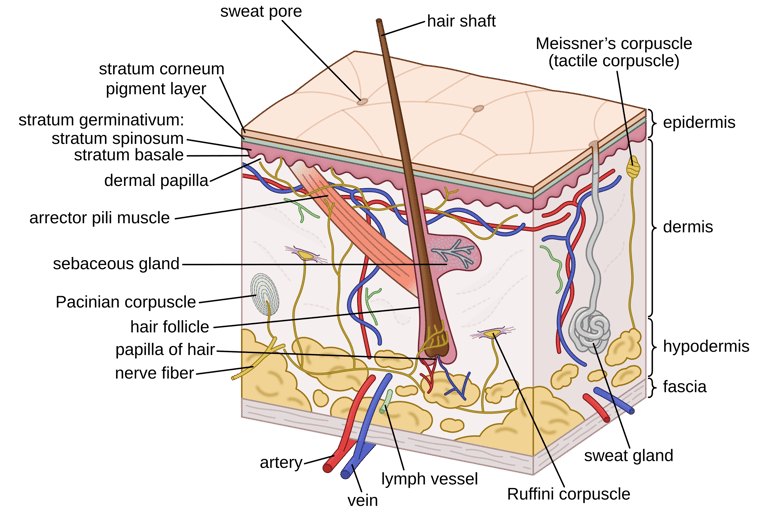
By Tomáš Kebert & umimeto.org, CC BY-SA 4.0, https://commons.wikimedia.org/w/index.php?curid=93271515
Get in touch
hello@wellniz.in

Our Promise
No artificial ingredients used in our products
Terms of Service