FREE SHIPPING ON ORDERS OVER ₹599 · HANDMADE FRESH IN KERALA

Winter Skincare in India: Why Your Skin Behaves Completely Differently from November to February
India's winter is not a single climate — it is six different conditions depending on where you live. This guide explains what each does to your skin and which Wellniz products to use for each condition.
5/18/20267 min read
What skincare routine should I follow in Indian winter?
Indian winter skincare should focus on three things: deeper moisturisation, barrier protection against dry air, and maintaining UV protection despite lower perceived sun intensity. Switch to a richer moisturiser — Wellniz Coconut Rose or Coconut Sandalwood provides deeper nourishment than lighter summer variants. Apply to slightly damp skin immediately after showering to lock in moisture. Use Wellniz Rose Mist as a toner to restore acid mantle after cleansing. Continue SPF every morning — winter UV in India, particularly December and January, still causes cumulative skin damage. Avoid hot water washes, which strip natural oils that the skin needs more urgently in cold, dry air.
India's Winter Is Not One Climate — It Is Six
The fundamental mistake in most Indian winter skincare advice is treating 'Indian winter' as a single condition. It is not. The skincare needs of someone in Delhi in January are genuinely different from someone in Mumbai, who is different again from someone in Chennai or Kochi. The same product recommendation does not work across all of these.
Delhi and the NCR: Dry Cold
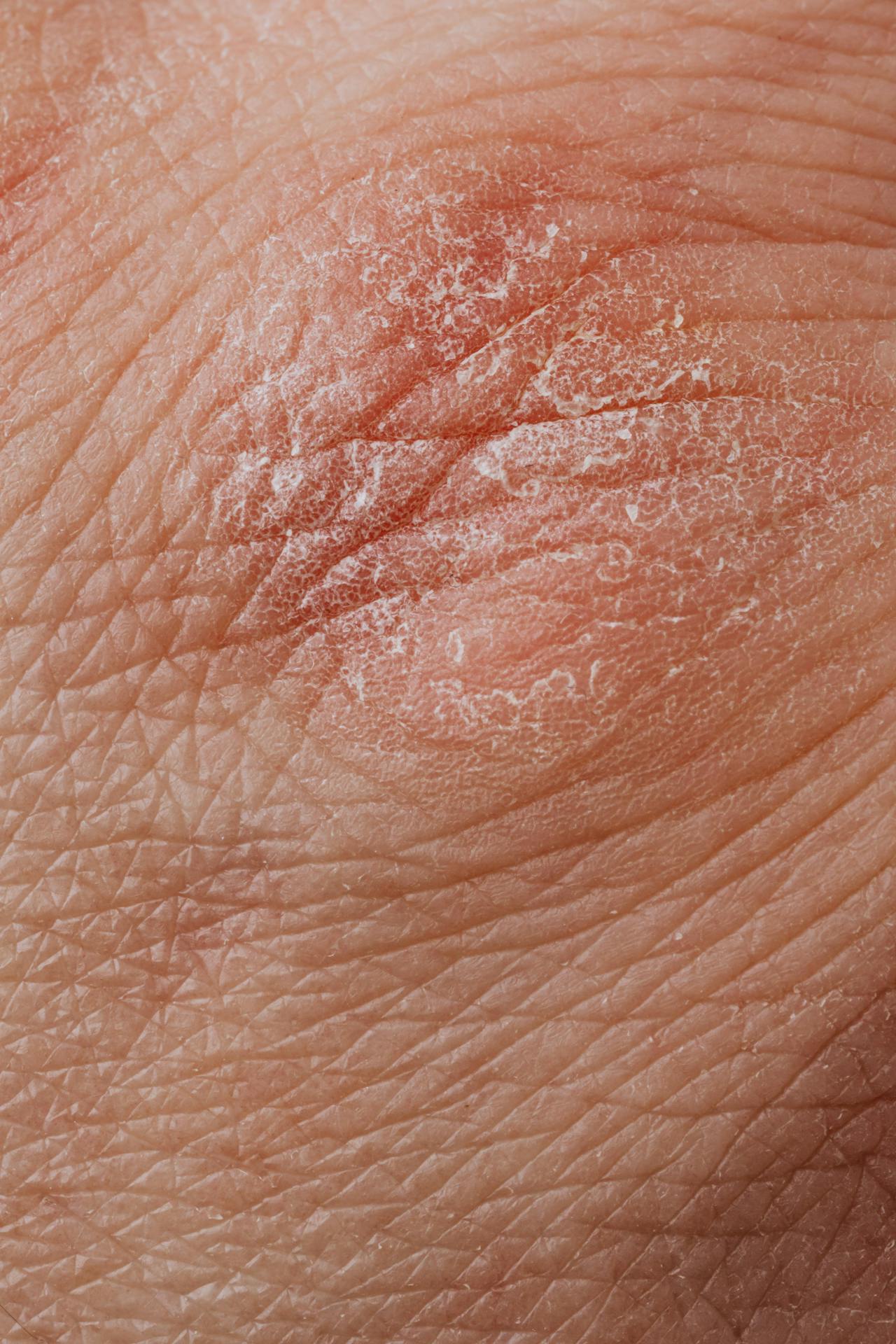
December and January in Delhi bring temperatures that drop to 2-8°C overnight, relative humidity falling to 30-40%, and the combination of cold air and indoor heating that produces the most severe skin dryness conditions in India. Skin moisture loss accelerates dramatically — the moisture gradient between dry indoor air and the skin's surface is at its highest. Result: flaking, tightness, cracked lips, and often the first appearance of fine lines that the skin's reduced elasticity makes visible.
Mumbai and Coastal Maharashtra: Mild with Transition
Mumbai's winter (20-28°C, 50-60% humidity) is the gentlest in India's major cities. Skin does not experience dramatic change, but the relative drop from monsoon humidity can still produce dryness in areas prone to it — particularly legs, arms, and the back. The AC-to-outdoor humidity swing is the primary driver of skin disruption here.
Rajasthan and Central India: Extreme Cold + Dry
Parts of Rajasthan, Madhya Pradesh, and Gujarat experience severe winter conditions — cold, extremely dry air, and dust. Skin in these regions requires the most intensive moisturisation and barrier protection of any Indian climate zone in winter.
Southern India (Bangalore, Chennai, Hyderabad): Mild and Manageable
Bangalore's winter (15-25°C) produces noticeably cooler, drier air than the rest of the year, particularly early mornings. This is enough to shift the skin's moisture balance but rarely demands a complete routine overhaul — a switch from a lighter to a slightly richer moisturiser is typically sufficient.
Kerala and Coastal South: Minimal Change
Kerala's winter barely qualifies as one — temperatures remain 22-32°C with high humidity year-round. Skincare adjustment needed is minimal. The primary concern is maintaining the same routine without the excess oiliness that can develop when a summer-formulated product is used in slightly cooler weather.
What Winter Actually Does to Your Skin
Regardless of which Indian winter zone you are in, the same underlying mechanisms create skin problems:
Trans-Epidermal Water Loss (TEWL) Increases
The skin loses moisture through evaporation continuously. In high humidity (monsoon), the air outside is nearly as moist as the skin, so the gradient driving evaporation is small. In dry winter air, the gradient is much larger — moisture evaporates from the skin faster. The result is dehydration that moisturisers need to address by both adding nourishment and creating an occlusive barrier.
Skin Barrier Lipid Function Declines
Cold temperatures slow the production of the lipids (fatty acids, ceramides, cholesterol) that make up the skin's protective barrier. A compromised barrier lets moisture escape faster and allows irritants, pollution particles, and bacteria to penetrate more easily. This is why skin becomes more reactive in winter — the barrier that normally filters these triggers is less robust.
Sebum Production Reduces
Lower temperatures reduce sebaceous gland activity. For people with oily skin, this is often welcome — winter skin feels less greasy. But for everyone, including oily skin types, the reduction in sebum means the skin's natural moisturising function is diminished. Even oily skin can develop dryness and flaking in winter.
UV Perception Drops While Actual Damage Continues
The air is cooler, the sun feels less intense, and many people abandon sunscreen in winter. But UV indices in India remain significant year-round, particularly in the south and at altitude. December-January UV in Delhi, despite cold temperatures, can still reach UV Index 4-5 — enough for cumulative skin damage. UV damage is the primary driver of long-term hyperpigmentation and collagen breakdown. Winter is not an SPF-free pass.
Adjusting Your Wellniz Routine for Winter
Step 1: Switch to a Richer Moisturiser
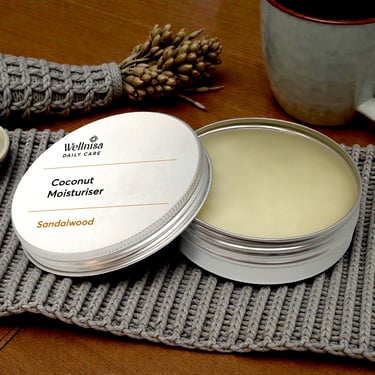
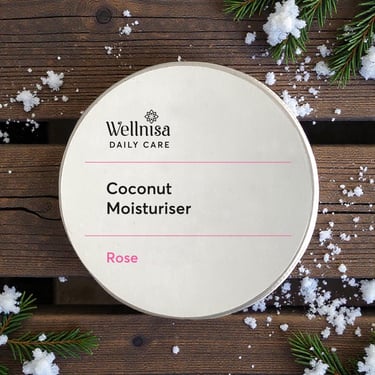
If you use Wellniz Coconut Tea Tree or Eucalyptus in summer, consider switching to Wellniz Coconut Rose Moisturiseror Wellniz Coconut Sandalwood Moisturiser in winter. The same coconut oil and beeswax base becomes more deeply nourishing for skin in drier conditions. Sandalwood's additional MMP-1 inhibition provides anti-ageing protection during the months when the skin barrier is at its most vulnerable.
Step 2: Apply to Damp Skin — Always
The most important winter application technique: moisturise immediately after showering, while skin is still slightly damp. The beeswax in Wellniz products creates an occlusive barrier that traps the surface moisture, dramatically increasing the moisturiser's hydrating effect. Applying to completely dry skin misses this mechanism.
Step 3: Use Rose Mist More Frequently
In winter, particularly in office air conditioning or heated rooms, Wellniz Rose Mist used as a midday spray on exposed skin provides humectant hydration and pH balance maintenance. The 100ml bottle is designed for portability — keep it at your desk for a midday refresh without disrupting your routine.
Step 4: Protect Lips
Lips have no sebaceous glands — they have zero natural oil production. In dry winter air, they lose moisture faster than any other part of the body. A small amount of Wellniz Coconut Rose Moisturiser applied to lips provides genuine nourishment through the coconut oil base and a protective film through beeswax — functioning better than petroleum jelly (which only seals the surface without nourishing) and significantly better than synthetic lip balms with fragrance.
Step 5: Lower Water Temperature
Hot showers feel essential in Indian winter. They are also one of the primary drivers of winter skin dryness. Hot water strips the skin's natural lipid layer — the same barrier winter conditions are already compromising. Use warm rather than hot water, and keep showers shorter. This one change produces a measurable improvement in winter skin dryness.
Common Winter Skin Problems and Natural Solutions
Flaking and Peeling Skin
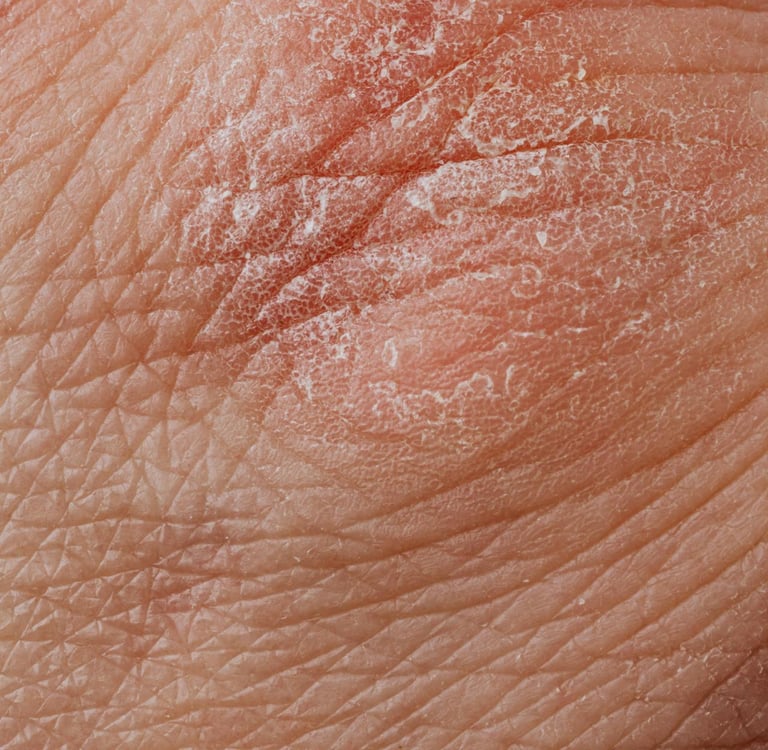
Cause: Compromised barrier + accelerated TEWL + reduced lipid production. Solution: Apply Wellniz Coconut Rose or Sandalwood to damp skin morning and evening. Once weekly: a gentle oat flour + honey exfoliation (not besan — too drying in winter) followed immediately by moisturiser.
Cracked Heels and Elbows
Cause: Areas without sebaceous glands lose moisture fastest in cold, dry air. Solution: Apply Wellniz Coconut Sandalwood Moisturiser generously to heels and elbows at night, then wear cotton socks for heels to enhance absorption overnight. Most people see significant improvement within one week.
Winter Itch (Xerotic Itch)
Cause: Severely dehydrated skin produces histamine-related itch response. Solution: Immediate barrier repair with rich occlusive moisturisation (Wellniz Coconut Sandalwood). Cool (not cold) water rinse for immediate relief. Avoid synthetic fragrance products — fragrance irritates winter-sensitised skin significantly more than in summer.
Dull, Greyish Skin Tone
Cause: Dead skin cell accumulation accelerates in dry air as normal shedding slows. Solution: Gentle exfoliation with turmeric + besan mask once weekly followed by Wellniz Rose Mist and Sandalwood Moisturiser. The tyrosinase-inhibiting action of sandalwood also prevents the winter dullness that comes from reduced UV-driven melanin activation.
Frequently Asked Questions
Should I change my moisturiser in Indian winter?
Yes, if you currently use a lighter formula. Skin in winter needs both deeper nourishment (more lauric acid penetration from coconut oil) and stronger occlusive protection (beeswax barrier). Wellniz Coconut Rose and Coconut Sandalwood Moisturisers provide both. If you are already using these, simply apply more generously than in summer.
Do I still need sunscreen in Indian winter?
Yes. UV Index in India remains at 4-5 even in Delhi in December — sufficient for cumulative skin damage, hyperpigmentation, and collagen breakdown. The perception that winter sun is harmless is one of the most common skincare mistakes in India. SPF 30+ every morning, year-round.
Why does skin get so dry in Delhi winter but not in Mumbai?
Delhi's winter air has relative humidity of 30-40% — extremely dry by any measure. Mumbai's winter maintains 50-60% humidity. The lower the ambient humidity, the faster moisture evaporates from the skin surface. Delhi's combination of cold temperature (reducing sebum and barrier lipid production) and very dry air creates the most challenging skin conditions of any major Indian city in winter.
Can I use Wellniz Rose Mist in winter or is it too light?
Yes — Rose Mist is an excellent addition to a winter routine. As a humectant mist, it draws moisture from the air into the skin. Used before a richer occlusive moisturiser, it significantly improves the moisturiser's effectiveness. In winter, use it both as a morning toner and as a midday refresh for exposed skin.
Is oil-based skincare better than cream in winter?
Oil-based and wax-based products (like Wellniz) are generally better than water-based creams in winter for two reasons: they contain no water to evaporate (so they maintain their protective film longer), and beeswax provides better occlusion than most synthetic emulsifiers in water-based creams. The combination of penetrating oil (coconut) and occlusive wax (beeswax) in Wellniz products is particularly effective in winter conditions.
Does winter affect body skin differently from skin on the face?
Yes. Body skin has fewer sebaceous glands per square centimetre than facial skin and loses moisture faster in dry conditions. Legs in particular — which have the fewest glands — become extremely dry in winter. Apply Wellniz Coconut Moisturiser to legs and arms immediately after showering, while still damp, for maximum effectiveness.
How do I prevent cracked lips naturally in winter?
Wellniz Coconut Rose Moisturiser provides better lip care than most commercial lip balms: coconut oil nourishes the delicate lip skin from within, while beeswax creates a protective film that prevents moisture loss. Apply a small amount before sleeping and reapply throughout the day as needed. Avoid licking lips — saliva evaporates and leaves lips drier than before.
Should I stop using neem mist in winter?
You can continue using Wellniz Neem Mist in winter if acne or body acne is a concern — its antibacterial properties remain relevant year-round. However, if your skin becomes dry or sensitive in winter, consider switching to Rose Mist as your primary toner and using Neem Mist only on active breakout areas rather than across all skin.
Get in touch
hello@wellniz.in

Our Promise
No artificial ingredients used in our products
Terms of Service